
Why Indian Spices Matter
For centuries, Indian spices have been valued not only for their ability to enhance flavor but also for their role in traditional wellness practices. From Ayurvedic remedies to modern kitchens, these ingredients continue to play an important role in supporting overall health and nutrition.
Many spices contain naturally occurring antioxidants, vitamins, minerals, and plant compounds that contribute to digestion, immunity, metabolism, and general well-being. Whether used in home cooking or wellness preparations, these ingredients demonstrate why India remains one of the world’s leading sources of premium-quality spices.
Today, growing consumer interest in natural ingredients has increased the global demand for high-quality whole spices and organic spices across food, nutraceutical, and wellness industries.
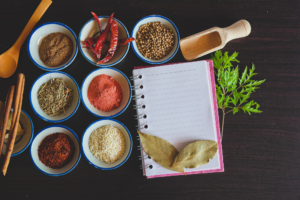
1. Turmeric: The Golden Healer
Turmeric is among the most recognized spices worldwide and has been used in Indian households for generations. Its active compound, curcumin, is widely studied for its antioxidant and anti-inflammatory properties.
Health Benefits
- Supports joint health
- Helps combat oxidative stress
- May support cognitive wellness
- Contributes to immune function
- Traditionally used for skin health
Culinary Uses
- Curries
- Lentil dishes
- Rice preparations
- Golden milk
- Marinades
As demand for natural wellness ingredients grows globally, many businesses source premium turmeric from established Turmeric Manufacturers in India known for maintaining quality and purity standards.
2. Cumin: The Digestive Powerhouse
Cumin has long been associated with digestive wellness and remains a staple ingredient in Indian cooking.
Health Benefits
- Supports digestive enzyme production
- Helps reduce bloating
- Provides iron
- Supports gut health
- May assist metabolism
Culinary Uses
- Curries
- Spice blends
- Rice dishes
- Soups
- Lentil preparations
The increasing international popularity of Indian cuisine continues to drive demand for premium cumin sourced from trusted cumin seeds suppliers serving global markets.
3. Coriander: The Refreshing All-Rounder
Coriander seeds offer a mild citrusy flavor and are widely used in both traditional and modern recipes.
Health Benefits
- Supports digestion
- Rich in antioxidants
- May help maintain healthy blood sugar levels
- Supports heart health
Culinary Uses
- Masalas
- Chutneys
- Curries
- Marinades
4. Fennel: The Digestive Refresher
Fennel seeds are commonly consumed after meals due to their pleasant taste and digestive properties.
Health Benefits
- Supports digestion
- Helps reduce bloating
- Freshens breath
- Provides dietary fiber
Culinary Uses
- Mouth fresheners
- Spice blends
- Herbal teas
- Vegetable dishes
5. Ginger: Nature’s Anti-Inflammatory Root
Ginger is one of the most versatile ingredients found in Indian kitchens.
Health Benefits
- Supports digestion
- Helps manage nausea
- Supports joint comfort
- Rich in antioxidants
Culinary Uses
- Tea
- Curries
- Stir-fries
- Soups
6. Cinnamon: The Sweet Wellness Spice
Known for its distinctive aroma, cinnamon is widely appreciated for both culinary and wellness applications.
Health Benefits
- Supports metabolic health
- Rich in antioxidants
- Supports cardiovascular wellness
- Traditionally used for digestion
Culinary Uses
- Desserts
- Curries
- Biryani
- Beverages
7. Clove: The Tiny Spice with Big Benefits
Cloves are highly concentrated in beneficial plant compounds.
Health Benefits
- Supports oral health
- Rich in antioxidants
- Supports digestion
- Traditionally used for soothing discomfort
Culinary Uses
- Rice dishes
- Spice blends
- Tea
- Marinades
8. Black Pepper: The King of Spices
Black pepper remains one of the most widely traded spices globally.
Health Benefits
- Supports nutrient absorption
- Promotes digestion
- Contains antioxidants
- Supports metabolism
Culinary Uses
- Curries
- Soups
- Marinades
- Seasoning blends
9. Mustard Seeds: Small Seeds with Significant Value
Mustard seeds are commonly used in tempering and spice blends.
Health Benefits
- Rich in antioxidants
- Supports digestion
- Contains essential minerals
- Traditionally used in wellness preparations
Culinary Uses
- Pickles
- Vegetable dishes
- Curries
- Tempering
10. Cardamom: The Queen of Spices
Cardamom remains one of the most prized ingredients in traditional cooking.
Health Benefits
- Supports digestion
- Freshens breath
- Supports respiratory wellness
- Rich in antioxidants
Culinary Uses
- Tea
- Desserts
- Rice dishes
- Spice blends
Many food manufacturers and retailers rely on trusted suppliers for premium-quality cardamom and other whole spices to ensure consistency and authenticity.
11. Fenugreek: The Traditional Wellness Ingredient
Fenugreek has been used in Indian households for generations.
Health Benefits
- Supports healthy blood sugar management
- Provides dietary fiber
- Supports digestion
- Traditionally used by nursing mothers
Culinary Uses
- Curries
- Flatbreads
- Spice mixes
- Vegetable dishes
12. Saffron: The Precious Spice
Saffron is renowned for its vibrant color and distinctive aroma.
Health Benefits
- Rich in antioxidants
- Supports mood balance
- Supports cardiovascular wellness
Culinary Uses
- Biryani
- Desserts
- Milk-based beverages
13. Nutmeg: The Aromatic Spice
Nutmeg adds warmth and depth to many traditional recipes.
Health Benefits
- Supports digestion
- Contains antioxidants
- Traditionally used to promote relaxation
Culinary Uses
- Desserts
- Curries
- Beverages
14. Celery Seeds: An Emerging Spice in Global Markets
Although less commonly discussed than other traditional spices, celery seeds are increasingly used in seasoning blends, food processing, and wellness products.
Health Benefits
- Rich in antioxidants
- Supports digestive wellness
- Contains naturally occurring plant compounds
Culinary Uses
- Pickling
- Seasoning blends
- Soups
- Sauces
Growing international demand has increased interest in quality-focused Celery Seeds Export businesses serving food manufacturers and distributors worldwide.
Conclusion
The medicinal and culinary value of Indian spices extends far beyond their ability to enhance flavor. From turmeric and cumin to saffron and cardamom, these ingredients have played an important role in traditional food systems and wellness practices for centuries.
Whether used to support digestion, provide antioxidants, or enrich recipes with authentic flavor, these spices continue to demonstrate why India remains a leading source of premium-quality ingredients. Choosing high-quality whole spices and organic spices can help maximize both flavor and freshness while supporting a healthier and more enjoyable cooking experience.
For businesses and consumers seeking premium spice solutions, Vora Spice Mills offers a carefully curated range of authentic spices processed with a strong commitment to quality, consistency, and global standards.
Frequently Asked Questions
Which Indian spice has the most health benefits?
Turmeric is often considered one of the most beneficial due to its curcumin content and antioxidant properties.
Which spice is best for digestion?
Cumin, fennel, ginger, and cardamom are traditionally associated with digestive support.
Are organic spices healthier?
Organic spices are grown without synthetic pesticides and are often preferred by consumers seeking naturally cultivated ingredients.
What are whole spices?
Whole spices are spices sold in their natural, unground form, helping preserve aroma, flavor, and shelf life.
Why are Indian spices popular worldwide?
Their rich flavor profiles, culinary versatility, and long history in traditional wellness practices have made Indian spices highly sought after globally.